


On the occasion of the ETSC PIN Flash 50 exhibition, April 21, 2026
Cyclists in Europe: More helmets are not enough — we need safe roads
Photos: Spiros Papageorgiou
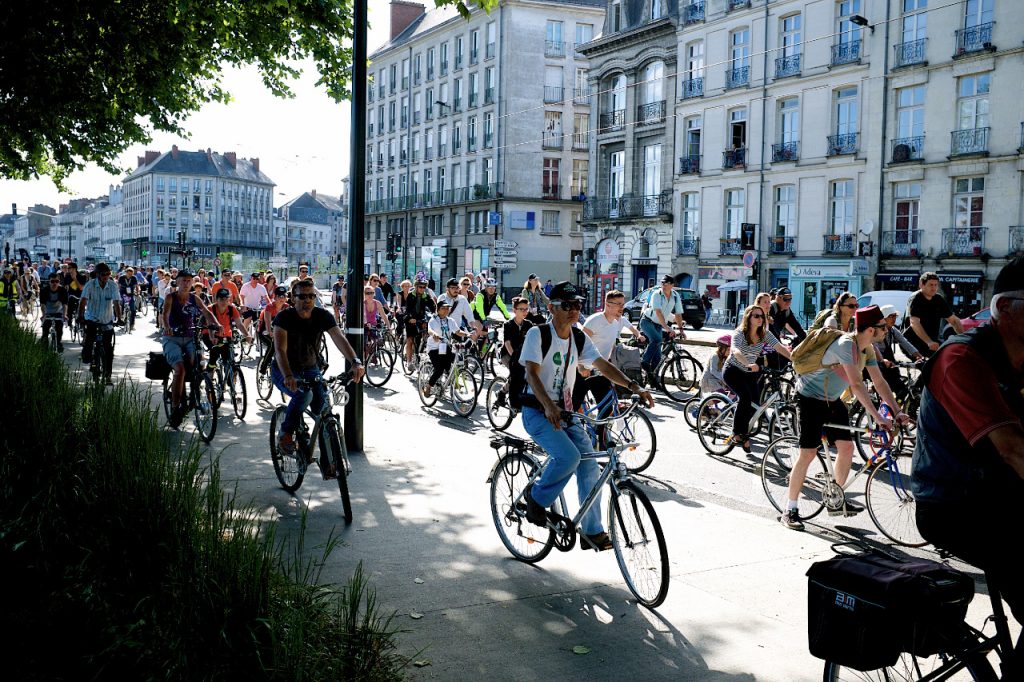
A new report recently published by the European Transport Safety Council (ETSC) confirms what many of us know well from our daily lives: cyclists in Europe remain the most vulnerable road users — and the situation is not improving as quickly as it should.
In 2024, 1,926 cyclists were killed on European roads.
In a decade, from 2014 to 2024, their deaths fell by just 8% — while car occupant deaths fell four times as fast. Cyclists now account for 10% of deaths on European roads. And to reach the EU target of a 50% reduction by 2030, annual progress thirteen times greater than today will be needed. In short: we are heading in the wrong direction.
Even more worrying are the figures for injuries. Serious injuries to cyclists increased by 12% in the same decade. And the real scale of the problem is much greater: in some countries, less than 10% of injured cyclists appear in police statistics. Most simply go unrecorded.
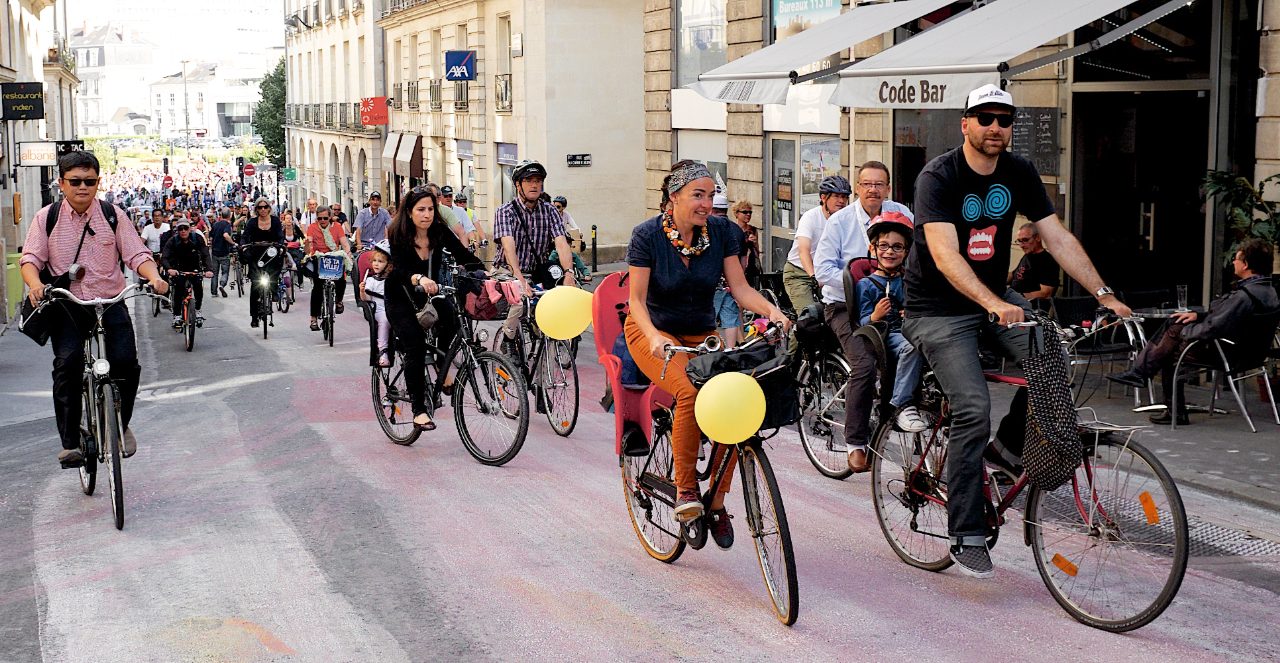
The problem is not the helmet
For years, the dominant narrative about cyclist safety has focused on the cyclist himself: wear a helmet, put on a fluorescent vest, be visible, be careful. This logic is not accidental – it serves a narrative that shifts responsibility from road design and vehicle speeds to the user himself who is at risk. And it is not irrelevant that the automotive industry, with its enormous lobbying, has every interest in maintaining this focus.
But there is a rationale that reveals how selective this logic is: Traumatic brain injuries from traffic accidents kill tens of thousands of people worldwide every year – and in absolute numbers, the vast majority are car passengers, not cyclists. But no one suggests that car drivers wear helmets. Why?
Because for them, society has invested in structural solutions: seat belts, airbags, protective shells, mandatory safety systems in vehicles. But for the cyclist, the answer remains: “Wear a helmet. Take matters into your own hands. It’s your responsibility!” This is not safety policy. It’s a double standard.
And it’s not new. On November 16, 1938, MP William Leach stood up in the House of Commons in London and said, with anger: “The work of prohibiting access to the roads altogether to pedestrians and cyclists is very well advanced. Their right to the highway is now in positive danger. The motorist is winning this fight; the pedestrian and the cyclist are losing it.”
He said it as an indictment. Almost 90 years later, the phrase remains relevant in a way it shouldn’t be.
Yes, helmets have value, and of course in sports cycling they are absolutely essential: the report says they can reduce head injuries by 51% and fatal injuries by 72%. And yes, we use them to increase our safety. But even the research explicitly presents them as a complementary measure, not a solution.
65% of cyclist deaths in the EU result from collisions with motor vehicles, with passenger cars responsible for 44%, trucks for 9% and vans for 7%. No helmet will save you when a car hits you at 50 km/h. What will save you is separate cycling infrastructure and low speed limits — precisely the things that cost us politically and economically.
It’s also no coincidence that even the 28% of deaths that don’t involve another vehicle — falls, collisions with curbs or fixed objects — are largely the result of poor infrastructure: potholes, bike lanes that suddenly stop, surfaces that become traps in the rain. Not carelessness. Poor design.
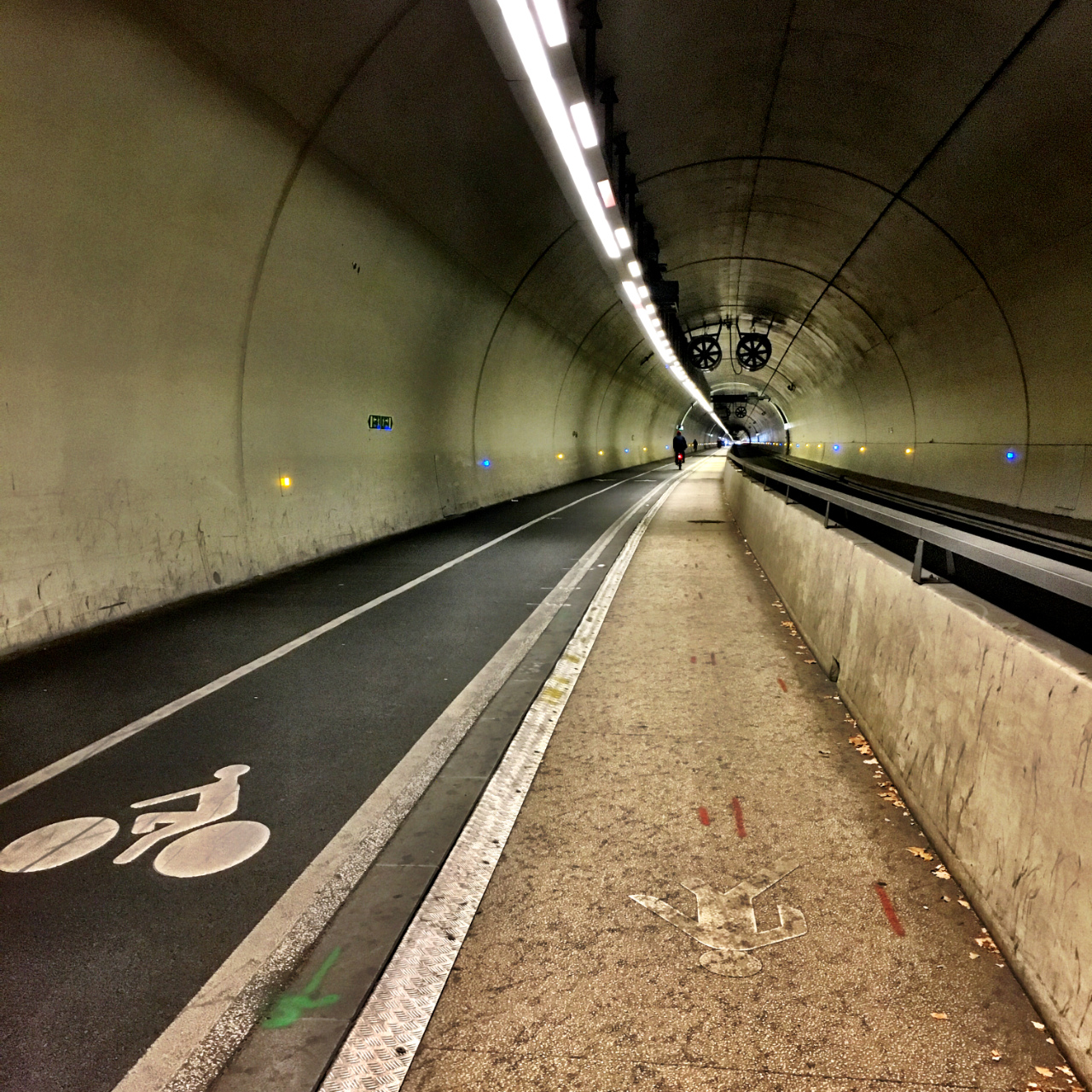
The contradiction of a “green” Europe
There is a fundamental contradiction in European transport policy that is hard to ignore. The same governments that invest billions to reduce CO₂ emissions and encourage people to abandon their cars refuse or fail to create the conditions that make this choice safe.
The report itself puts it most clearly: “You cannot ask people to cycle and then fail to protect them from fast-moving traffic. […] Without urgent action, cyclists will continue to pay with their lives.” says co-author Jenny Carson.
The report also highlights another dimension that is often overlooked: older cyclists are disproportionately at risk, with death rates rising sharply for those over 80. The spread of electric bikes, especially in this age group, further exacerbates the risk – as higher speeds encounter the same dangerous infrastructure. Men account for 80% of cyclist deaths, likely reflecting differences in mileage and risk-taking behaviour.
What does this mean for Greece?
For us, this report is of particular importance – but also, for the first time, it offers an unexpected dimension of optimism.
We are still in the early stages of cycling infrastructure. We usually say this with shame. But perhaps it is worth looking at this differently: countries that invested early in infrastructure designed around the car are now being asked to tear it down and rebuild it. We still have the opportunity to build it right from the beginning – with their mistakes as a guide. Being behind, in this case, can prove to be an advantage.
There is something else that we often overlook: the bicycle has already begun to enter the daily traffic of Greek cities, and this has an important side effect – car drivers are getting used to it. They learn to look for bicycles in the mirror, to leave space, to be careful when turning. Of course there are exceptions, but at least according to the experience of anyone who travels a lot in an urban environment, they really are exceptions. The visibility of the bicycle in traffic is in itself a safety measure, and in Greece this change of mentality is happening now, in real time. And it has value.
And at the level of legislation, we have already taken a crucial step: the 30 km/h limit in urban areas has been established. This is no small thing, it is exactly what the ETSC report calls for as a first priority. What remains is its policing – because a law that is not enforced is just a piece of paper -and, equally important, its communication. Because a speed limit is not just a traffic rule. It is a statement of values: that in this city, the most vulnerable road users are given priority.
And who are these vulnerable users? The report names them: children and the elderly. That is, our children who cycle to school or walk on the pavement, and our elderly parents and grandparents who cycle in the neighbourhood. When we see it this way, not as a transport policy issue, but as an issue that concerns our own families, the demand for safe roads becomes much simpler and much more urgent.
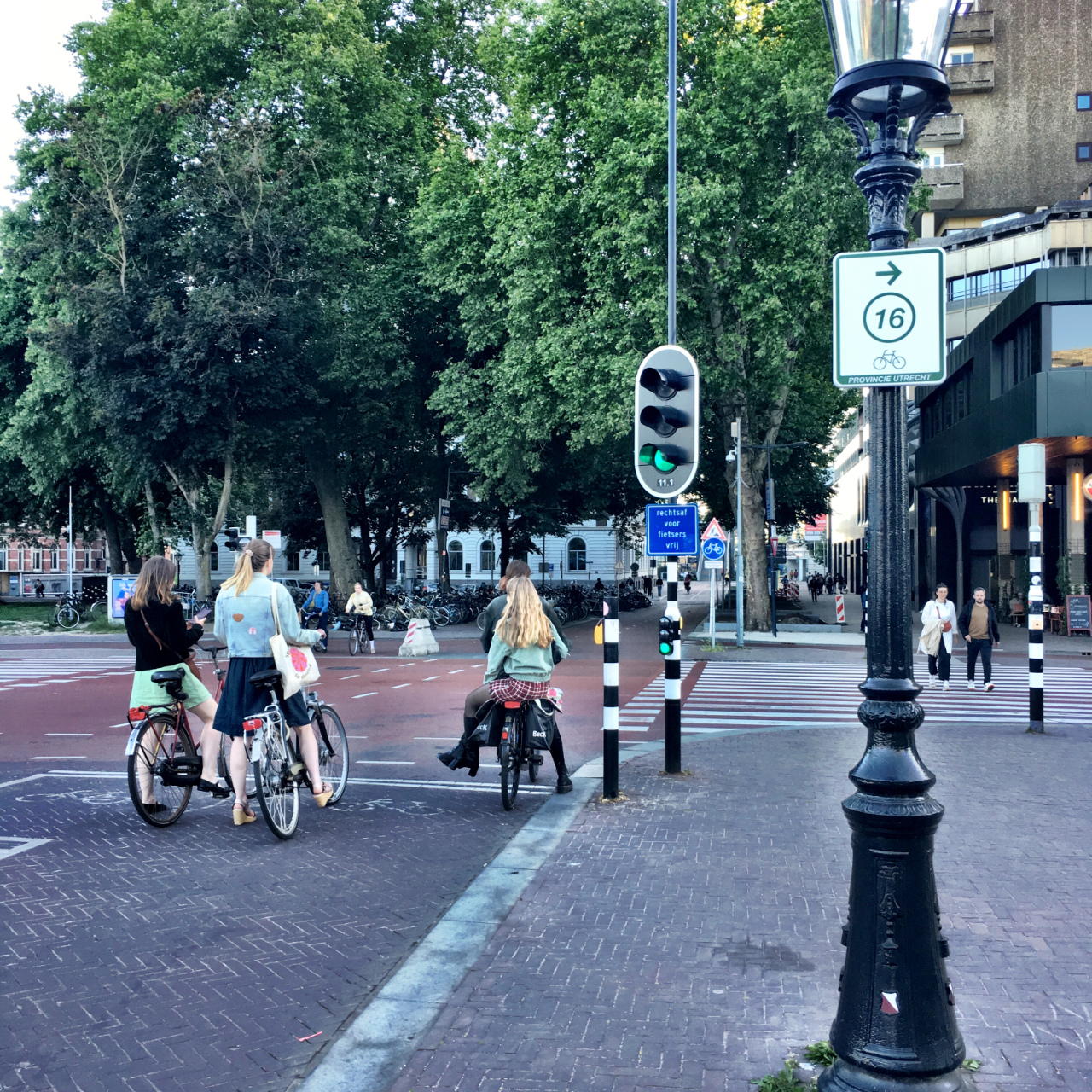
The ETSC also calls for massive investment in high-quality, dedicated cycling infrastructure, mandatory hospital injury recording, and the development of national cycling strategies with measurable targets. These are demands that sound obvious.
The fact that they are being repeated in 2026 – and that we first heard them in 1938 – speaks volumes…
Source: ETSC PIN Flash 50 — Improving the safety of cycling in Europe (21 April 2026)
Full report: etsc.eu/pinflash50
*Hansard, HC Deb 16 November 1938, vol 341 — William Leach, MP Central Bradford