


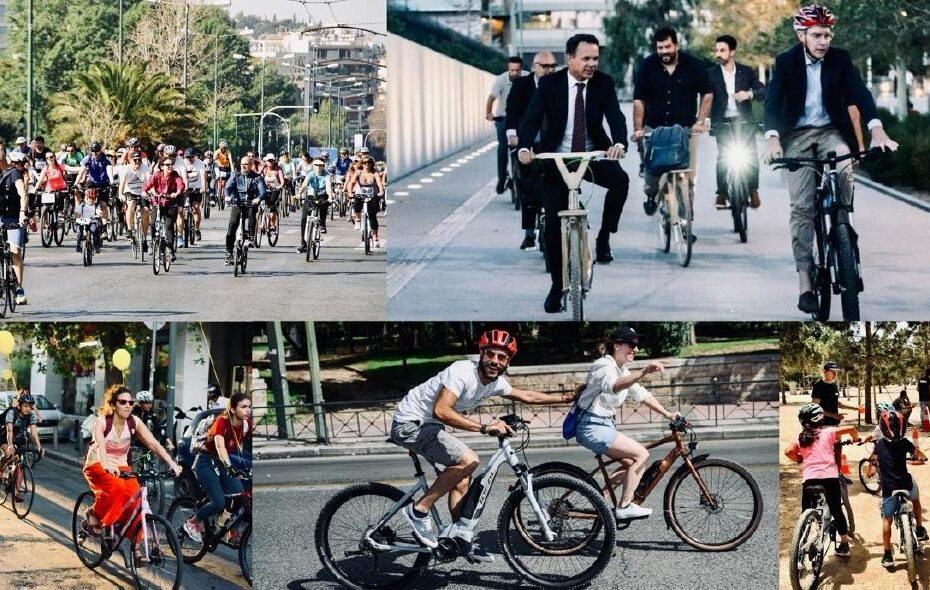
On World Bicycle Day, we are sharing with you the results of a nationwide survey on cycling, which we conducted in collaboration with the Aristotle University of Thessaloniki, with the participation of 637 cyclists from various regions of the country.
The results paint a clear picture: the desire to cycle more is there, but the lack of safe infrastructure remains the biggest obstacle.
Key findings at a glance
Safety is the key issue
This will surprise no one: 85.4% of participants move on roads with little or no cycling infrastructure. However, 42.8% feel safe or relatively safe when cycling. We are not saying that cycling infrastructure is not needed. Quite the opposite! Research shows that the feeling of insecurity is one of the main deterrents to the wider spread of cycling. What our data confirms is that insecurity and fear of accidents are greater in those who do not cycle. Starting is difficult, and starting for most people will not be possible without good infrastructure.
Who rides a bicycle?
Cycling in Greece is still mainly a middle-aged man’s affair. In the survey sample, men accounted for 74% of the participants, while only 13% were under 35 years old. Current conditions obviously do not encourage women and young people to use the bike in their daily lives.
Electric bikes are changing the game
Interest in e-bikes is growing significantly. Around 65% of respondents have either already tried or would like to try an e-bike, while almost one in three say that the next bike they are considering buying will be electric. This trend shows that e-bikes can attract new users and make cycling more accessible to a wider segment of the population.
Cycling is increasingly used for commuting and tourism
Although leisure and exercise remain the main reasons for cycling, almost half of the participants now use it for daily commuting, shopping and work. At the same time, cycling tourism shows significant growth potential, while a third of participants state that they would combine cycling and train if the appropriate infrastructure was available.
What needs to be done?
The research highlights specific priorities:
- Safe, continuous and protected cycling routes, combined with networks of low-traffic neighborhood road
- Education and compliance of drivers with the Highway Code
- Policies that encourage the participation of women and young people, in addition to the creation of safe infrastructure, such as cycling education in schools
- Supporting the use of e-bikes through subsidies and safe parking spaces
- Better connection of cycling with public transport
- Investment in cycling tourism and national cycling networks
These interventions can increase the use of bicycles, and thus contribute to reducing traffic congestion, improving public health and creating more sustainable cities.